

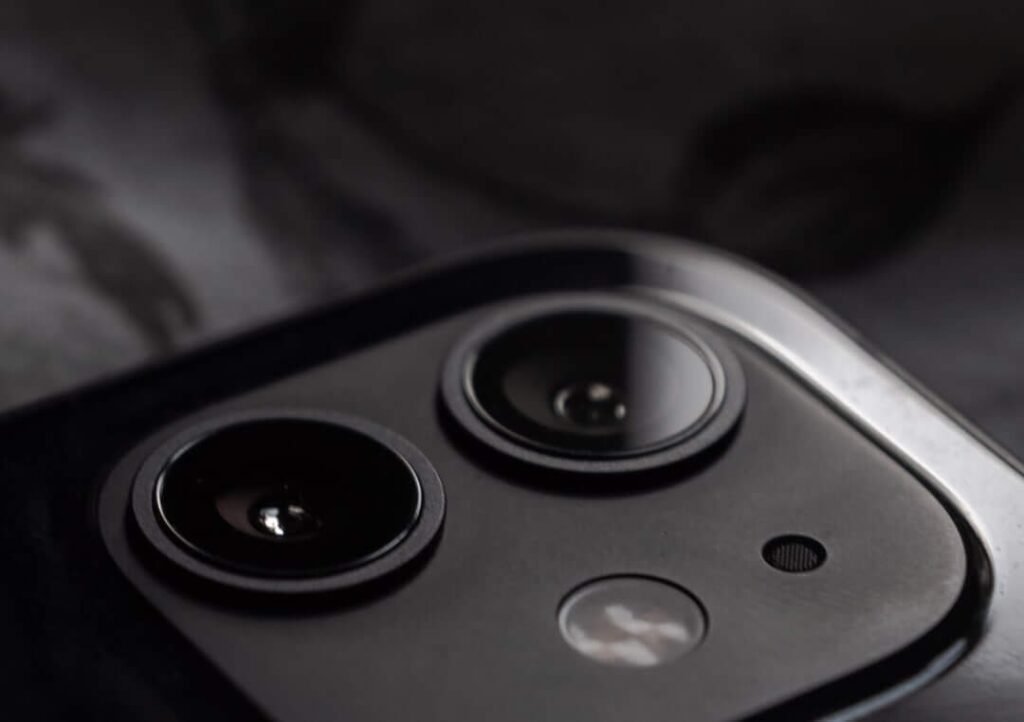
The camera system inside the iPhone 11 Pro Max marked a major step forward in smartphone photography, combining multiple advanced components into a compact design. Apple engineered this device with a triple-camera setup, allowing users to capture a wide range of scenes—from ultra-wide landscapes to detailed telephoto shots—all within a single device.
At the heart of the system are three distinct lenses: a wide, an ultra-wide, and a telephoto camera. Each lens is paired with its own sensor, enabling different perspectives without sacrificing image quality. The wide camera serves as the primary shooter, offering excellent low-light performance thanks to its larger sensor and wider aperture. The ultra-wide lens expands the field of view dramatically, while the telephoto lens allows for optical zoom, making it ideal for portraits and distant subjects.
Behind these lenses are sophisticated image sensors that capture light and convert it into digital data. Apple uses backside-illuminated (BSI) sensors to improve light sensitivity and reduce noise, especially in challenging lighting conditions. These sensors work in combination with advanced image signal processing to ensure that every shot is balanced, sharp, and rich in detail.
One of the most important internal components is Apple’s image signal processor (ISP), integrated into the A13 Bionic chip. This processor handles tasks such as noise reduction, color correction, and HDR rendering in real time. It also powers features like Smart HDR and Night Mode, which combine multiple exposures to create a single, optimized image even in difficult lighting environments.
The camera system also includes optical image stabilization (OIS), particularly in the wide and telephoto lenses. This hardware component physically adjusts the lens to counteract hand movement, resulting in sharper images and smoother video. Combined with software stabilization, it significantly enhances overall image quality.
In addition to hardware, software plays a crucial role. Computational photography techniques—such as Deep Fusion—analyze multiple frames at the pixel level to enhance textures and details. This seamless integration of hardware and software is what allows the iPhone 11 Pro Max to produce consistently impressive results.
Overall, the camera components inside the iPhone 11 Pro Max demonstrate how modern smartphones rely on a combination of optics, sensors, processors, and intelligent software to deliver professional-level photography in a pocket-sized device.